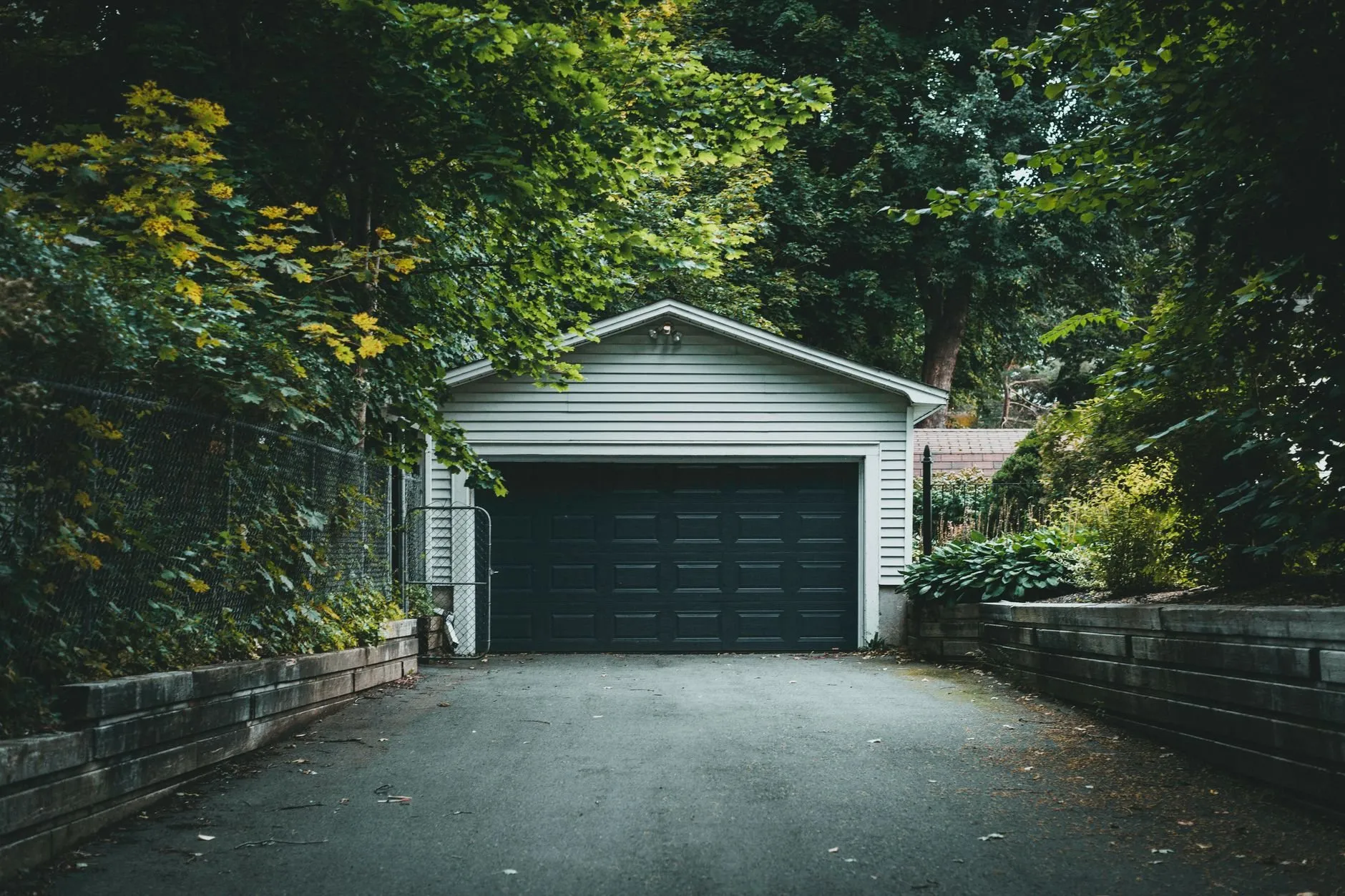
A spring clean for the garage door: lubricate, tighten, test
Twenty minutes, a can of silicone spray and a socket set. What is safe to do yourself, and the three parts you should always leave to us.

Most of what keeps a garage door quiet and reliable is simple, and you can do it yourself in twenty minutes once a year. A little of it is dangerous. This guide is clear about which is which.
You will need
- A can of dry silicone lubricant (not oil, not grease)
- A socket set or spanners
- A damp cloth and a stiff brush
- A stepladder
Clean the tracks
With the door closed, brush out the vertical tracks either side and wipe them with a damp cloth. Grit in the track is what wears rollers flat. Do not lubricate the inside of the tracks: lubricant on the running surface collects more grit.
Lubricate the moving parts
Spray a short burst of silicone onto each hinge pivot, each roller bearing (the centre of the wheel, not the rim) and the bearings at each end of the spring shaft. Run the door up and down twice to work it in and wipe off any drips.
Tighten what has worked loose
Vibration loosens fixings. With the door down, check the bolts that hold each hinge to the panels and the brackets that hold the tracks to the frame. Snug them up; don’t overtighten into thin steel.
Three parts to leave alone
The springs. They hold enough energy to break bones. Adjusting or replacing them needs winding bars and training.
The cables and the bottom brackets. The bottom brackets are attached to the cables and are under full spring tension. Never undo the bolts on the bottom corner brackets.
Anything that needs the door held up. If a job means working under a raised door, call us.
Finish with a test
Release the opener, lift the door to half height and let go. It should stay put. Then reconnect, put a towel under the door and close it to check it reverses. If either test fails, book a service and we will put it right.